Improving Quality of Life Through Specialized Memory Care Programs
Specialized memory care services attend to the unique needs of individuals facing cognitive challenges. These services focus on personalized care plans and engaging activities designed to boost emotional well-being. Structured environments serve an important role in encouraging security and independence. Families also benefit from support in the care process. Understanding how these components interconnect can provide meaningful insights into improving quality of life for residents and their loved ones. What are the key components of effective memory care?
 }
}Critical Knowledge About Brain Health Facilities You Need to Know
What factors should one contemplate when exploring memory care programs? First, it is vital to evaluate the level of care required based on the individual's specific needs, including their cognitive abilities and daily living skills. The setting of the facility plays a significant role; a welcoming, safe, and stimulating atmosphere can significantly improve the quality of life for residents. Staff qualifications and education are also important, as dementia-focused instruction guarantees that caregivers are equipped to handle challenging behaviors with empathy. Additionally, it is crucial to review the facility's approach to activities and social engagement, which can create feelings of connection and inclusion. Finally, family participation and assistance programs should be assessed, as they contribute to the general health and happiness of both residents and their loved ones. By thoroughly considering these factors, families can choose wisely regarding memory care services.
Why Customized Treatment Plans Are Important in Alzheimer's Care
Customized service plans are critical in memory care, as they address the unique wants and requirements of every resident. These strategies are tailored to consider individual histories, mental capacities, and psychological health. By assessing each resident's abilities and difficulties, care providers can develop approaches that encourage respect and autonomy while guaranteeing security and ease.
Designing personalized care plans strengthens a sense of belonging and maximizes overall life satisfaction. Residents feel cherished when their opinions on daily routines, activities, and social interactions are taken into account. Additionally, these strategies enhance clear dialogue between caregivers and families, ensuring everyone is committed to backing the resident's journey.
Regular reviews of these plans allow for adjustments based on changing needs, contributing to a dynamic care approach. Ultimately, customized treatment plans serve as a foundation for empathetic, efficient memory care, leading to improved outcomes and a better living experience for residents.
Stimulating Pastimes in Memory Care
Engaging initiatives form a critical component of memory care, driving cognitive stimulation and community involvement. These activities are intended to boost brain performance while nurturing bonds among residents. By incorporating personalized activities, memory care facilities can develop a caring atmosphere that addresses both cognitive and affective needs.
Cognitive Enhancement Activities
Cognitive stimulation exercises play a vital role in enhancing the caliber of life for those in memory care. These exercises, designed to engage the mind, can comprise puzzles, memory games, and problem-solving tasks that support cognitive function. By taking part in these activities, residents can boost their memory, attention, and overall mental agility. Such activities provide not only mental engagement but also cultivate a sense of achievement and purpose. Furthermore, customized cognitive stimulation can be see more modified to individual preferences and capabilities, ensuring each person stays actively involved. In summary, these exercises are essential to maintain cognitive health and foster a positive atmosphere within memory care settings. Through consistent participation, individuals may experience an improved mood and enhanced sense of well-being.
Social Interaction Openings
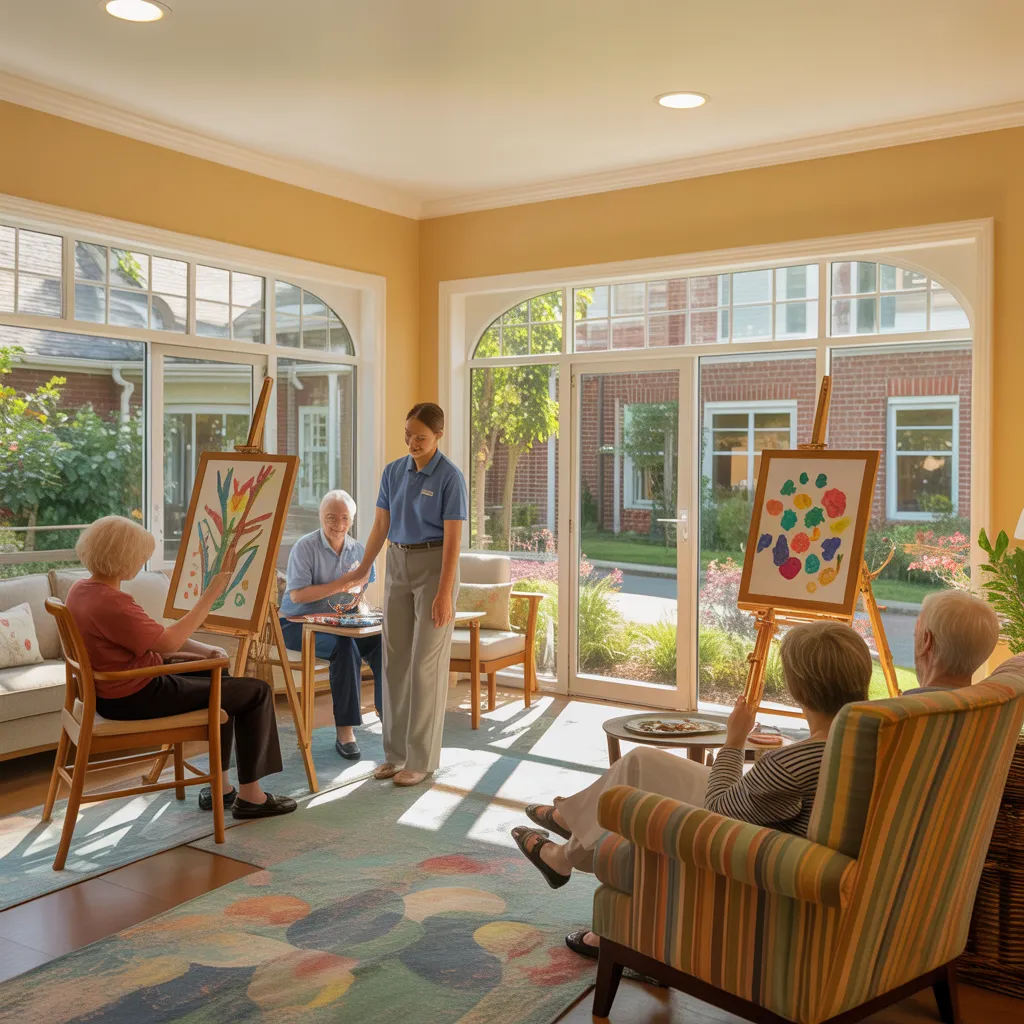
Connection is vital for individuals in memory care, as chances for social interaction greatly enhance their overall well-being. Activities created to encourage socializing, such as group games, art classes, and community outings, foster relationships among residents. These engagements not only provide pleasure but also boost cognitive functioning and emotional health. Regular participation in social activities encourages communication and lessens feelings of isolation, which are frequent in memory care settings. Additionally, structured social environments allow caregivers to observe interactions, customizing support to individual needs. By promoting a sense of belonging and community, social engagement plays a pivotal role in enhancing the quality of life for those living with memory challenges, strengthening their dignity and self-worth.
Promoting Healing Environments in Memory Care
Memory care spaces must be nurturing and essential for affecting residents' wellness and quality of life. These spaces should be marked by coziness, safety, and customization to enable residents to feel protected and respected. Carefully crafted layout encourages mobility and accessibility, minimizing confusion and improving comfort.
Colors, illumination, and recognizable décor play significant roles in establishing calming atmospheres that evoke pleasant recollections. Outdoor spaces, like gardens and walking paths, provide chances for relaxation and connection with nature, additionally enhancing the experience.
Staff education in empathy and communication cultivates significant relationships, permitting caregivers to more comprehensively understand and react to the requirements. Additionally, organized routines supply a sense of security, helping reduce stress. Together, these elements contribute to a holistic approach which tackles both the cognitive obstacles associated with cognitive decline yet also encourages emotional and social well-being, allowing people to succeed.
Ways Memory Care Facilities Aid Families
Memory care centers play an essential role in assisting families by offering psychological assistance and tangible tools. They provide educational workshops that prepare families with the knowledge required to navigate the complexities of memory-related conditions. This holistic approach promotes a deeper bond between families and their loved ones in care.
Psychological Assistance For Households
Many relatives experiencing the challenges associated with a loved one’s memory impairment find comfort through the emotional support given by dedicated memory care facilities. These establishments typically have compassionate staff trained to recognize the unique difficulties families undergo. Regularly held support groups enable families to connect with others facing similar circumstances, fostering a sense of community and shared experience. In addition, individualized counseling sessions address particular emotional needs, helping families deal with feelings of guilt, grief, and frustration. Memory care centers also provide resources to encourage open communication among family members, which promotes healthier family dynamics. This emotional support not only assists families in coping but also improves the quality of care their loved ones receive, creating a more positive environment for all parties involved.
Learning Tools And Seminars
Many senior living communities provide helpful learning materials and workshops designed to empower families maneuvering the intricacies of memory impairment. These initiatives often cover key subjects, such as the stages of dementia, interaction techniques, and caregiving techniques. By offering professional training and engaging conversations, facilities assist families develop a deeper understanding of their family members' health challenges.
Furthermore, resources like informational pamphlets and online courses complement in-person workshops, guaranteeing families have access to essential information at their leisure. Peer networks may also be incorporated, fostering community connections among caregivers. Ultimately, these educational initiatives not only enhance caregivers' abilities but also promote psychological strength, enabling families to navigate challenges with increased confidence and compassion.
Actual Positive Outcomes From Memory Care Facilities
Success accounts from memory care centers demonstrate the profound impact specialized support can have on individuals dealing with cognitive challenges. One resident, Mrs. Thompson, underwent significant improvements after engaging in personalized art therapy programs. Initially withdrawn, she began to express herself artistically, leading to improved social interactions and emotional wellness.
One more tale of triumph concerns Mr. Garcia, who flourished in a structured daily routine crafted to strengthen memory durability. By using cognitive exercises and reminiscence therapy, he reclaimed his knack for remembering beloved family recollections, deepening connections with loved ones.
Facilities additionally incorporate technology-assisted activities, such as virtual reality experiences, which have assisted residents like Ms. Patel move through familiar environments, decreasing anxiety and confusion.
These concrete instances illustrate how personalized memory care programs not only elevate overall well-being but also enable individuals, enabling them to connect more deeply with their local environments and social groups.
Frequently Asked FAQ
What Skills Do Staff Members Contribute to Memory Care Facilities?
Memory care center personnel typically have credentials such as degrees in nursing, psychology, or social work, in addition to specialized training in dementia care, communication skills, and background in tackling behavioral complications stemming from memory impairments.
In What Manner Is Medication Management Conducted in Memory Care?
Drug administration in memory care facilities involves trained staff administering prescriptions, supervising dosages, and ensuring timely intake. Periodic assessments are conducted to modify medications as needed, emphasizing residents' safety and well-being throughout their care.
Is Cognitive Care Services Protected Under Health Insurance Coverage?
Memory care services may be partially covered by insurance, depending on the coverage plan. Families should contact their insurance companies to learn about particular coverage information, including any restrictions and prerequisites for eligibility concerning memory care centers.
What Safety Protocols Are Implemented for Residents?
Safety measures for residents generally incorporate restricted areas, capable personnel, emergency procedures, regular safety audits, and monitoring systems. These approaches purpose to prevent wandering and guarantee a stable, encouraging atmosphere for individuals with memory disorders.
Can Occupants Take Part in Excursions Beyond the Facility?
Yes, residents can participate in outings outside the facility. These excursions are carefully planned to promise protection and delight, allowing members to explore their neighborhood while being given the vital support throughout the experience.